Introduction
Finding a skilled frontend web developer in New York can make a significant difference for your business in 2026. With the demand for responsive, user-friendly websites growing, hiring the right local developer ensures your digital products are both functional and engaging.
In this guide, explained by our editorial team, we provide the best practices for hiring a frontend developer in New York, including the key skills to look for, local market insights, and tips for selecting the right professional. By following these steps, businesses can improve website performance, enhance user experience, and achieve measurable growth in the competitive New York market.
Why Hiring a Frontend Web Developer in New York Matters

New York is a hub for businesses looking to build scalable, high-performing websites. In particular, a skilled frontend web developer in New York ensures that your site is visually appealing, responsive, and optimized for user experience. Moreover, local developers understand the market, trends, and user expectations in the city, making it easier to deliver websites that engage New York audiences effectively.
Key Skills to Look for in a Frontend Web Developer in New York

When hiring a frontend web developer in New York, focus on these essential skills:
Essential Technical Skills
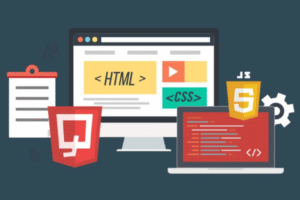
Proficiency in HTML, CSS, and JavaScript for responsive website development
UI UX design knowledge, ensuring intuitive and engaging interfaces
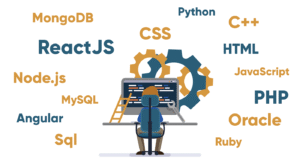
Experience with frameworks like React, Angular, or Vue.js
Website performance optimization skills for faster load times and better conversions
Problem-solving abilities to handle complex design challenges
Additionally, these skills guarantee that your developer can create websites that are not only functional but also optimized for local users in New York.
How to Find Top Local Developers in New York
To find the right frontend web developer in New York, a strategic approach is required:
Best Platforms and Networking Channels
Local job boards and marketplaces such as LinkedIn, Indeed, and AngelList
Networking events and meetups in NYC focused on web development and tech
Referrals from trusted business contacts who have successfully worked with local developers
Reviewing portfolios that showcase responsive, conversion-focused designs
These platforms and ways to network could help companies find out more about the job market in New York and hire skilled frontend specialists. LinkedIn and Indeed are two job sites that indicate how many positions are open right now and how much people are making. More general labor statistics reveal that there are more jobs in web development. Companies can also look at the official framework documentation and other resources to verify if a candidate’s technical skills are up to date with the most recent frontend standards. This information can help you make smarter recruiting decisions based on the numbers.
Understanding the Cost of Hiring a Frontend Web Developer in New York

Salaries and freelance rates for frontend web developers in New York vary depending on experience and project complexity. On average, experienced developers charge between $70–$120 per hour or more for specialized projects. However, local developers may also provide insights into cost-effective solutions for responsive design, mobile optimization, and UX enhancements, ensuring your investment delivers measurable growth.
Questions to Ask During the Hiring Process

Before hiring a local frontend specialist, ask questions that reveal their skills and local expertise:
Key Interview Questions
Have you worked on responsive website development for NYC-based businesses?
Can you provide examples of UI UX design you implemented?
How do you approach website performance optimization?
What tools and frameworks do you prefer for scalable frontend development?
How do you stay updated on New York web trends and best practices?
Asking these questions ensures you select a developer capable of delivering high-quality, locally optimized websites.
Benefits of Hiring a Local Frontend Web Developer in New York
Hiring a frontend professional in NYC comes with several advantages:
Why Local Expertise Matters
Faster communication due to same time zone and local availability
Better understanding of NYC user expectations and trends
Enhanced collaboration with in-person or local meetings
Tailored solutions for responsive and conversion-focused design
Access to a local network of designers, marketers, and other developers
As a result, these benefits improve project efficiency, reduce risks, and increase the overall success of your digital initiatives.
Mistakes to Avoid When Hiring
However, there are common downsides you may face while hiring a frontend developer in NYC:
Common Hiring Errors
Focusing solely on cost rather than skill and experience
Ignoring the importance of local market knowledge
Not reviewing portfolios or previous NYC projects
Overlooking website performance and mobile optimization skills
Skipping proper interviews and technical assessments
By avoiding these mistakes, you ensure you hire a developer who can deliver measurable results for your business.
FlowmazeUX Guidance: Choosing the Right Frontend Web Developer in New York
Selecting the right New York frontend expert can be challenging, especially with so many options available. Therefore, at FlowmazeUX, we provide expert guidance and insights to help businesses identify the right skills, evaluate portfolios, and make informed hiring decisions. If you’re unsure where to start, our team offers free consultation to support your process and ensure your website achieves maximum performance and user engagement.