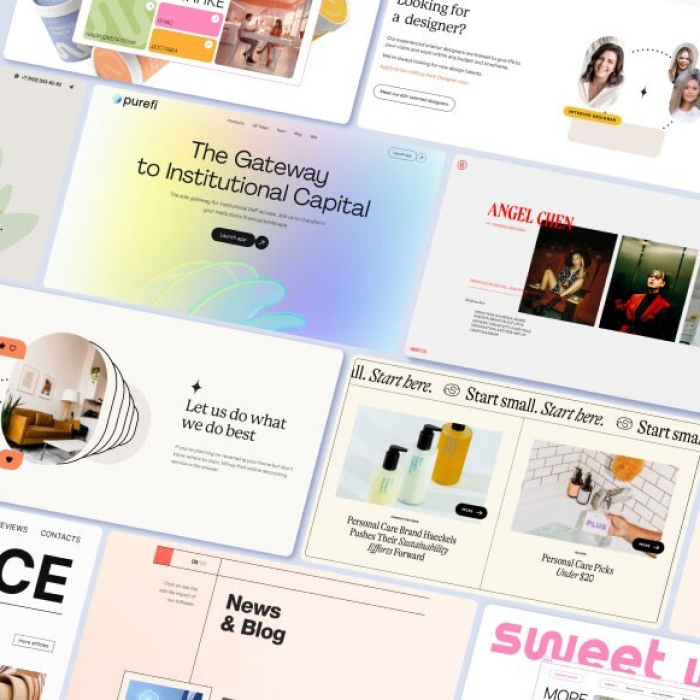
The best website design in 2026 isn’t about being trendy anymore. It is defined by how clearly it helps users understand, decide, and act. Businesses that rely on visual trends alone often struggle with engagement and conversions, even if the design feels fresh.
This guide explains the web experience trends that actually matter for business growth. We focus on modern website design choices that improve user experience design, support responsive website design, and align with conversion focused design goals. You will learn which trends are worth adopting, which ones to question, and how future web design thinking connects directly to real business website design outcomes.
Website Design Trends in 2026 Are Shaped by User Behavior
Digital experiences in 2026 are less about style alone and more about the overall experience. They are shaped by how users behave, scroll, decide, and abandon pages. Businesses that understand this shift build websites that feel easier to use and easier to trust.
Modern web experience design now focuses on reducing effort. Users do not want to explore. They want to understand quickly. This change is pushing designers to simplify layouts, shorten paths, and remove unnecessary elements. The most effective web experiences align structure with human behavior, not visual fashion.
Simplicity Over Complexity in Modern Website Design

One of the strongest web experience trends is intentional simplicity. This does not mean plain or empty pages. It means a clear hierarchy and fewer distractions. In 2026, modern web experience design avoids:
Overloaded homepages
Competing calls to action
Long blocks of unreadable content
Decorative elements without purpose
Instead, Business web experience strategy focuses on:
One primary action per page
Clear content grouping
Predictable navigation
Visual breathing space
This approach improves user experience design and helps users feel in control rather than overwhelmed.
User Experience Design in the Best Website Design Strategy

User experience design is no longer treated as a design phase. particularly in large digital products that require enterprise UX design. It is treated as a growth strategy. The best website design trends prioritize:
Faster understanding
Clear decision points
Reduced cognitive load
Consistent interaction patterns
In 2026, businesses that invest in user experience design see better engagement because users do not have to think too much. Every interaction feels expected. This is where modern web design directly supports conversions, retention, and trust. Research from Nielsen Norman Group shows that better UX directly improves usability and decision-making.
Responsive Website Design Is About Behavior, Not Screens

Responsive web experience design has matured. It is no longer about fitting layouts to devices. It is about adapting behavior. The best website design adapts:
Content order based on screen size
Interaction size for touch comfort
Reading flow for smaller displays
Load behavior for slower connections
Business website design that treats mobile as an afterthought struggles in 2026. Responsive design must feel native on every device, not just functional.
Conversion Focused Design Is Built Into the Structure

Conversion focused design is not about adding more buttons or pop-ups. It is about aligning intent with structure. Strong web design trends show that:
Pages guide users step by step
Actions feel like natural next steps
Messaging stays consistent across sections
Effective web experience design removes friction before users feel it. Clear headings, logical spacing, and predictable patterns all support conversion focused design without forcing behavior. This approach respects users and improves results at the same time.
Content Structure in the Best Website Design

In 2026, content design plays a bigger role than decoration. How information is structured matters more than how it is styled. Modern web design treats content as a design element:
Short paragraphs
Scannable sections
Clear headings
Purpose-driven visuals
User experience design improves when users can skim and still understand. Strong web experience design supports reading patterns rather than fighting them.
Performance and Speed in the Best Website Design

It’s not enough for a design to look good; performance counts just as much. Web design trends now prioritize:
Fast loading pages
Lightweight visuals
Efficient animations
Clean layouts
responsive digital experiences that looks great but loads slowly fails in practice. Business digital experience strategy in 2026 must balance beauty with speed. Performance directly impacts trust, especially for first-time visitors. According to Google Web Performance guidelines faster websites significantly improve user experience and engagement.
Personalization Without Complexity

Personalization is becoming quieter and smarter. Instead of aggressive customization, modern web design focuses on:
Context-aware content
Subtle guidance changes
Relevant messaging based on intent
The best website design adapts without announcing it. Users feel understood without feeling tracked. This trend supports user experience design while respecting simplicity and clarity.
Scalability Is a Core Design Requirement

Future web design thinking prioritizes scalability from the start. especially in complex platforms such as web applications. Business web design in 2026 must support:
Content growth
Feature expansion
Team collaboration
Ongoing updates
Scalable digital experience design uses modular systems that grow without breaking. This reduces redesign cycles and long-term cost. Scalability is no longer optional for growing businesses.
A Strategic View from FlowmazeUX
At FlowmazeUX, web design is treated as a structured system rather than a visual layer. The focus stays on clarity, flow, and business impact. By aligning user experience design with real behavior and conversion focused design, FlowmazeUX helps teams build websites that scale and perform over time. The goal is not to chase trends, but to apply the right ones with purpose and restraint.
Strong information architecture and interaction design patterns help users move through pages without confusion.
How to Decide Which Web Design Trends Matter for You
Not every trend applies to every business. To choose wisely:
Start with user needs
Define business goals clearly
Prioritize clarity over novelty
Test before scaling
The best website design decisions come from understanding context, not copying competitors.