There is a specific kind of frustration that happens around the 48-hour mark of launching a new mobile product. You’ve spent months on the backend, the logic is flawless, and the market need is real. But then the data starts trickling in. Users are downloading the app, opening it once, and then… nothing.
They haven’t deleted it, not yet. It just sits there, an abandoned digital monument on their home screen, until they eventually offload it to save storage.
As a mobile app design agency, we see this cycle constantly. The “death by friction” isn’t usually a technical failure; it is a design failure. In 2026, the global app market is projected to hit 300 billion downloads, yet nearly 25% of those apps will be opened exactly once. If your iOS app design or Android app UX feels like a manual to be studied rather than an experience to be felt, you have already lost.
Why “Functional” Is The New “Broken”
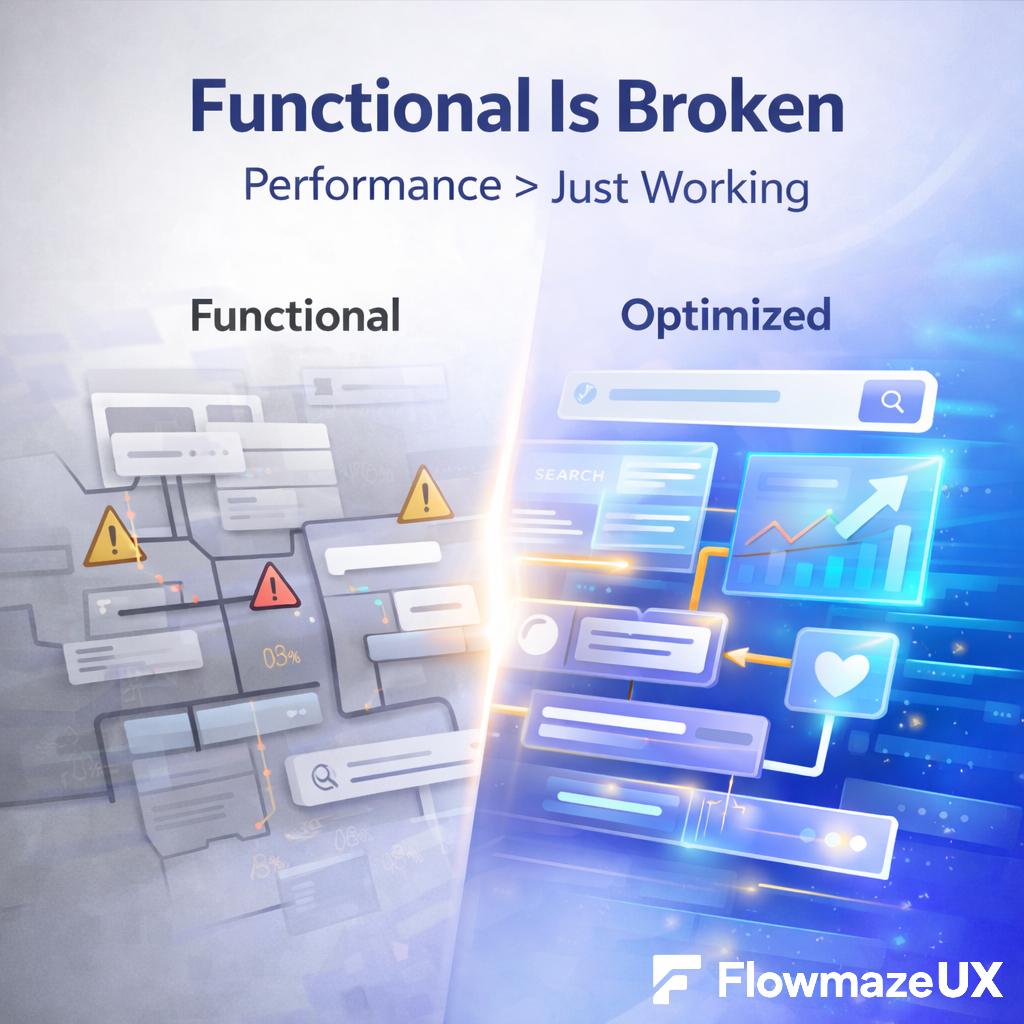
For years, startups were told to focus on the MVP: the Minimum Viable Product. The goal was to make it work. But in a saturated SaaS and Enterprise landscape, “viable” is no longer enough to win. Users don’t compare your app to your direct competitors anymore; they compare your app’s ease of use to Instagram, Uber, or Airbnb.
If your custom mobile app design requires a tutorial for the user to understand the primary navigation, you aren’t building a product; you’re building a barrier. The reality check is harsh: around 73% of users stop using an app specifically because of poor visuals or confusing layouts. When a mobile app design agency focuses only on aesthetics without mobile UX research, they are just putting a premium coat of paint on a crumbling foundation.
The Psychology of the First Five Seconds
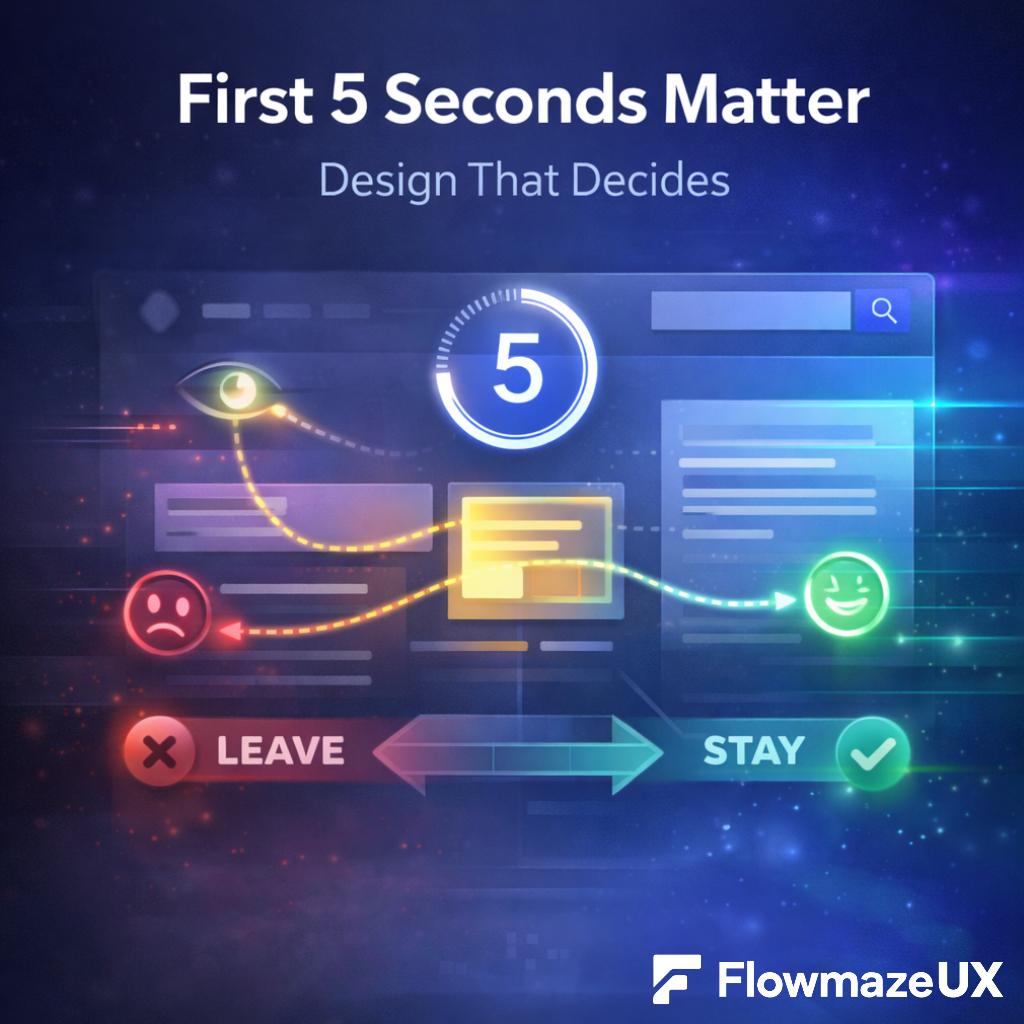
You have exactly five seconds to prove to a user that your app is worth the cognitive load. This is where mobile UI prototyping becomes a survival skill. A prototype isn’t just a series of screens; it is a test of emotional resonance.
In enterprise mobile design, we often see apps that try to do too much. They pack every feature into the navigation bar, assuming more value equals a better product. In reality, the most successful enterprise tools are those that ruthlessly prioritize user-centric mobile UX. They understand that a field technician or a high-level executive doesn’t want “features” – they want to complete a task in under ten seconds so they can get back to their lives.
Designing for the Hand, Not Just the Eye
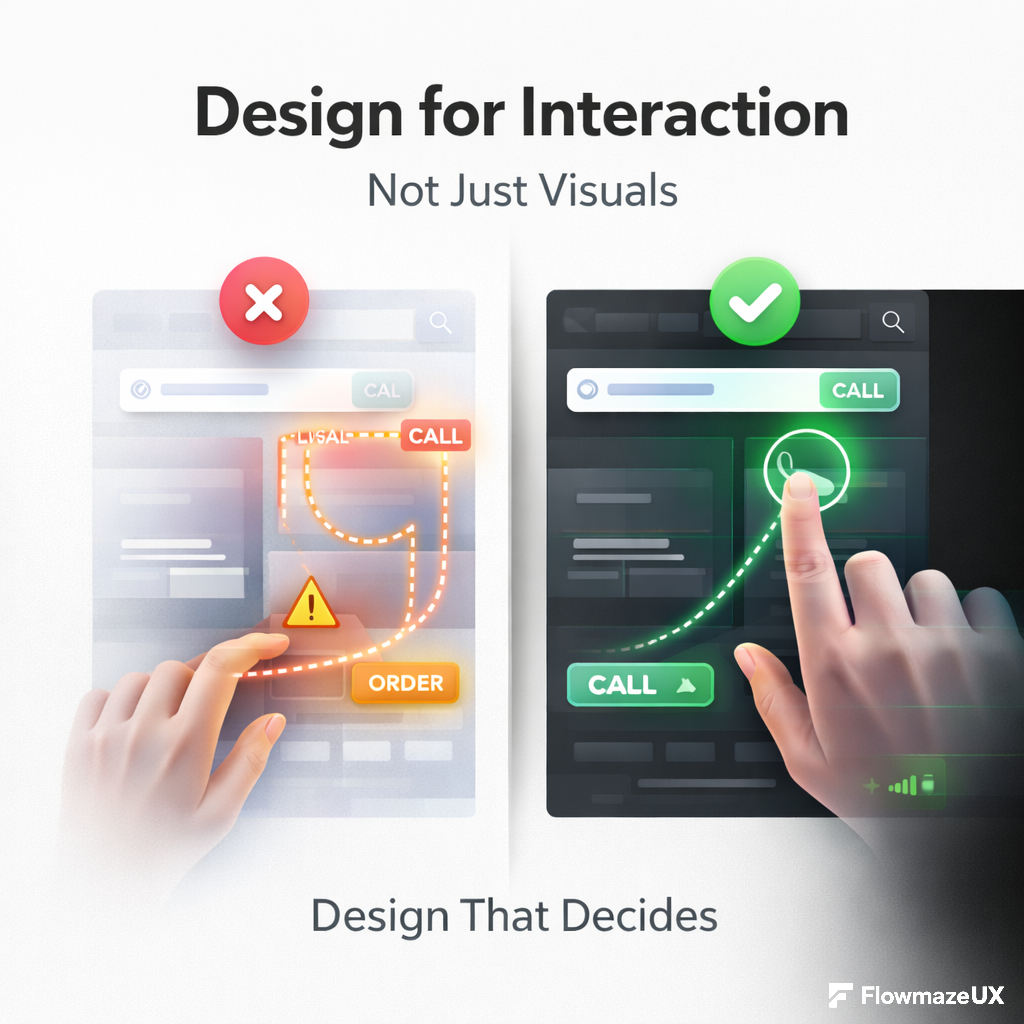
Great mobile app interaction design is invisible. It’s the subtle micro-animation that confirms a button was pressed. It’s the way the thumb naturally rests on the “Primary Action” area of a 6.7-inch screen.
When we handle cross-platform mobile design, the challenge is maintaining that “native” feel across different ecosystems. A user on an iPhone expects a different swipe gesture than someone on a high-end Android device. The best mobile app designers don’t just copy-paste layouts; they adapt the soul of the brand to fit the physical habits of the user. Whether it’s through Flutter’s consistent rendering or React Native’s bridge to native components, the goal remains the same: the app should feel like an extension of the hardware.
The ROI of Empathy in Design
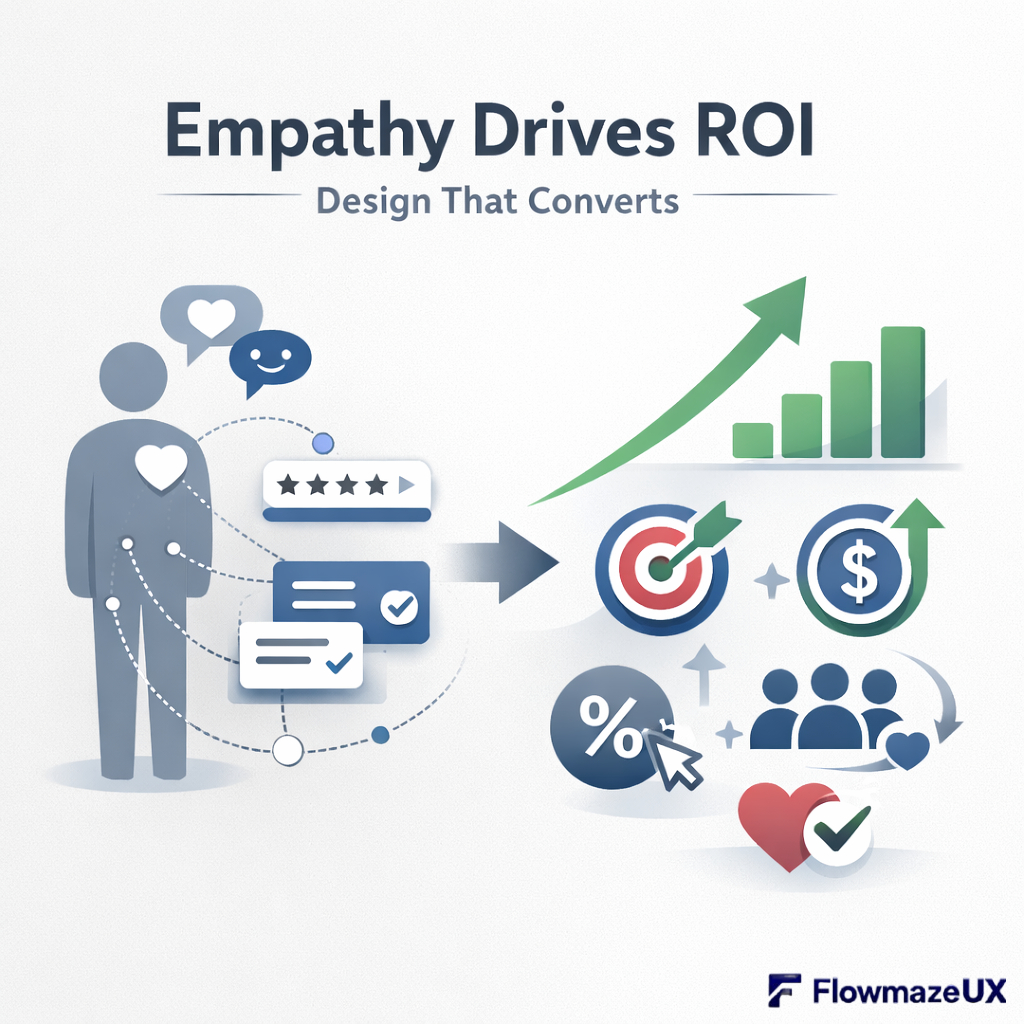
It is easy to look at design as an “extra” cost, a luxury for when the startup finally hits Series B. But the data suggests otherwise. Investing in high-level UX research can increase customer retention by just 5%, which sounds small until you realize that a 5% bump in retention can lead to a 25% to 95% increase in profits.
Poor design is a hidden tax on your marketing budget. You can spend thousands on user acquisition, but if your Android app UX is clunky, you are effectively pouring water into a leaky bucket. A specialized mobile app design agency acts as the sealant. By focusing on mobile UX research early, we identify the friction points before they become revenue leaks.
The Enterprise Dilemma: Complexity Without Chaos

For enterprise products, the stakes are even higher. You aren’t just designing for one user; you’re designing for an ecosystem of roles, permissions, and massive data sets. The temptation is to build a “desktop-lite” experience.
But enterprise mobile design in 2026 demands more. It requires a shift toward “Anticipatory Design”, where the app uses AI-driven insights to predict what the user needs to see next. Instead of searching through three layers of menus to find a report, the report should be the first thing they see because the app knows it’s Tuesday morning, and that’s when they always check their metrics.
Why You Don’t Have To Figure This Out Alone
Building a world-class mobile product is exhausting. Between balancing custom mobile app design trends and the technical limitations of cross-platform mobile design, it is easy for founders to lose sight of the human at the other end of the screen.
At FlowmazeUX, we believe that design is more than just a workflow; it’s a way to reduce digital noise. A poorly designed app is just another source of stress for your users; a cognitive tax they didn’t ask to pay. You want your product to be a source of clarity, not confusion. Whether you are a startup looking for your first mobile UI prototyping partner or an enterprise needing a complete UX overhaul, we specialize in turning complex friction into effortless flow. The path to a premium product starts with a single decision to prioritize the human experience.
Hope Is Found in the Details
There is a path out of the “abandoned app” graveyard. It starts with slowing down long enough to understand your user’s pain.
Put the User First, Not the Feature List
A commitment to user-centric mobile UX means valuing the user’s time as much as their data.
Stop Guessing. Start Growing.
When you partner with a mobile app design agency like FlowmazeUX, one that understands the intersection of psychology, business goals, and technology, you move from assumptions to results.
Your app shouldn’t just be an icon in a library. It should be the tool your users reach for instinctively every single morning.